
Lesson 3 of 4 in Unit 1.1
The system for driver control
About 15 minutes
Common Courtesy is a Key to Safety
The Traffic Laws and Rules of the Road Cannot Address All Possible Driving Situations
Common courtesy is a priority
If you remember to be courteous, you can help avoid accidents and keep traffic moving in an orderly fashion.
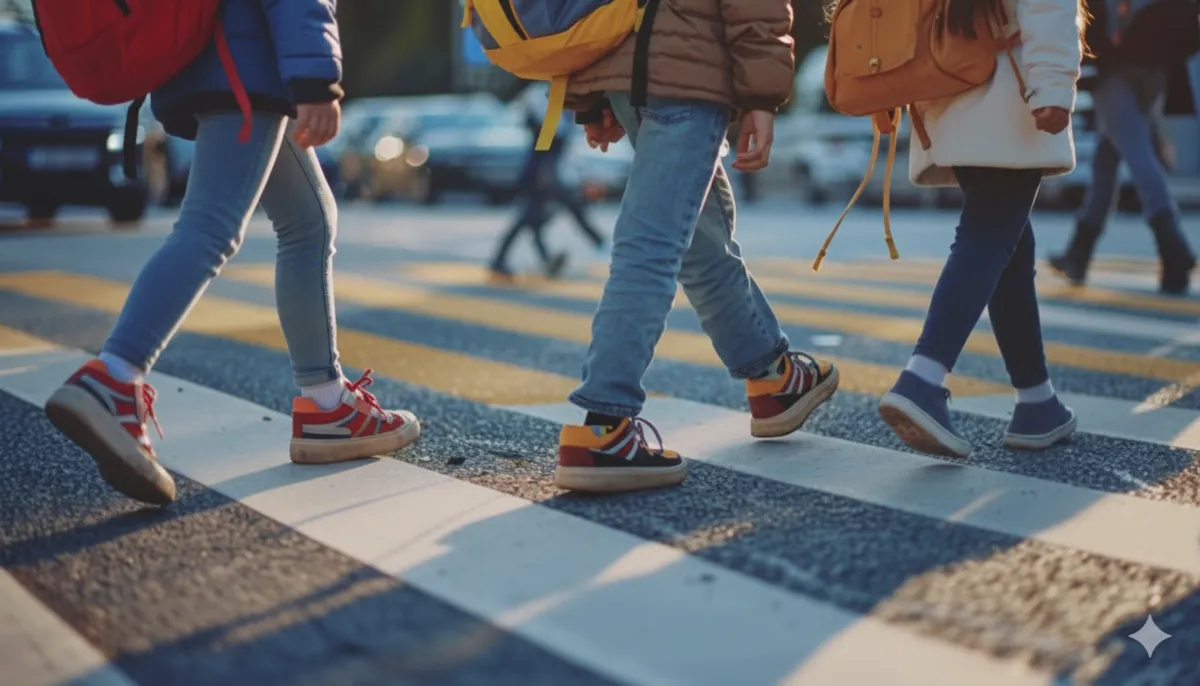
Remember pedestrians, cyclists and motorcyclists also have the right to use the roadway too. With the number of deaths, injuries and huge amount of costs caused by traffic collisions, the need for common courtesy on the roadways obviously is a number one priority.
We Must Always Remember that a Vehicle is like a Loaded Gun
Treat a vehicle like a loaded gun
In which case, we should be responsible for controlling its use - in controlling our attitudes, moods and habits when we are behind the wheel.
Do this For the Common Good of the Highway Community
All for the common good of the highway community
We should always be prepared to adjust and make up for the shortcomings and mistakes of others - all for the common good of the motoring public and those who shares the road with us.
REMEMBER, there are Drivers on the Road who are Older, or Newcomers to the Area Looking for Direction
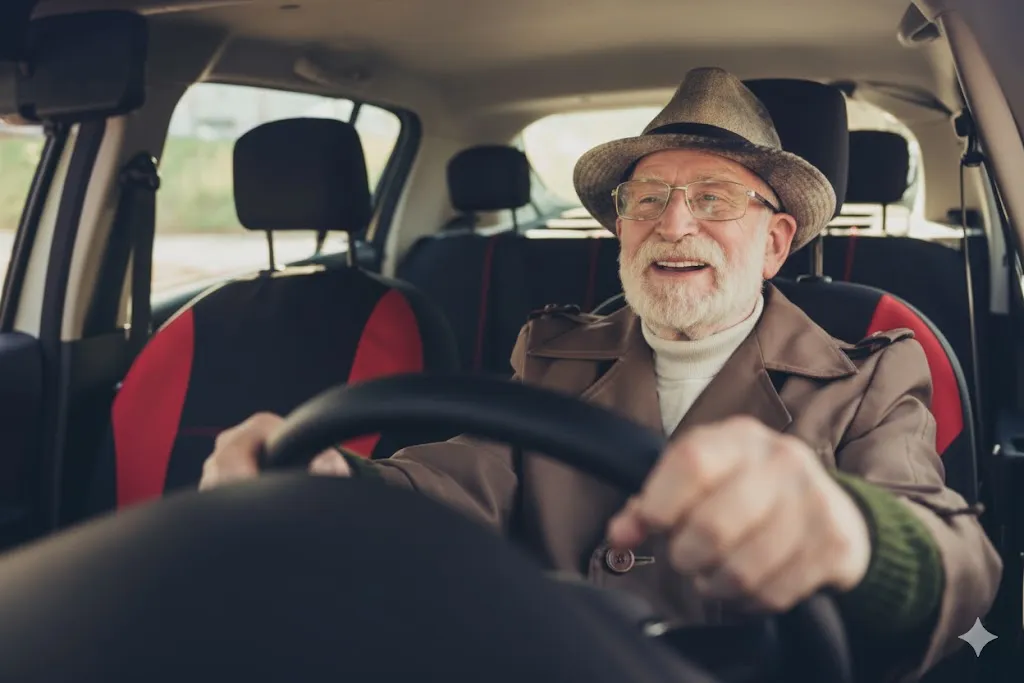
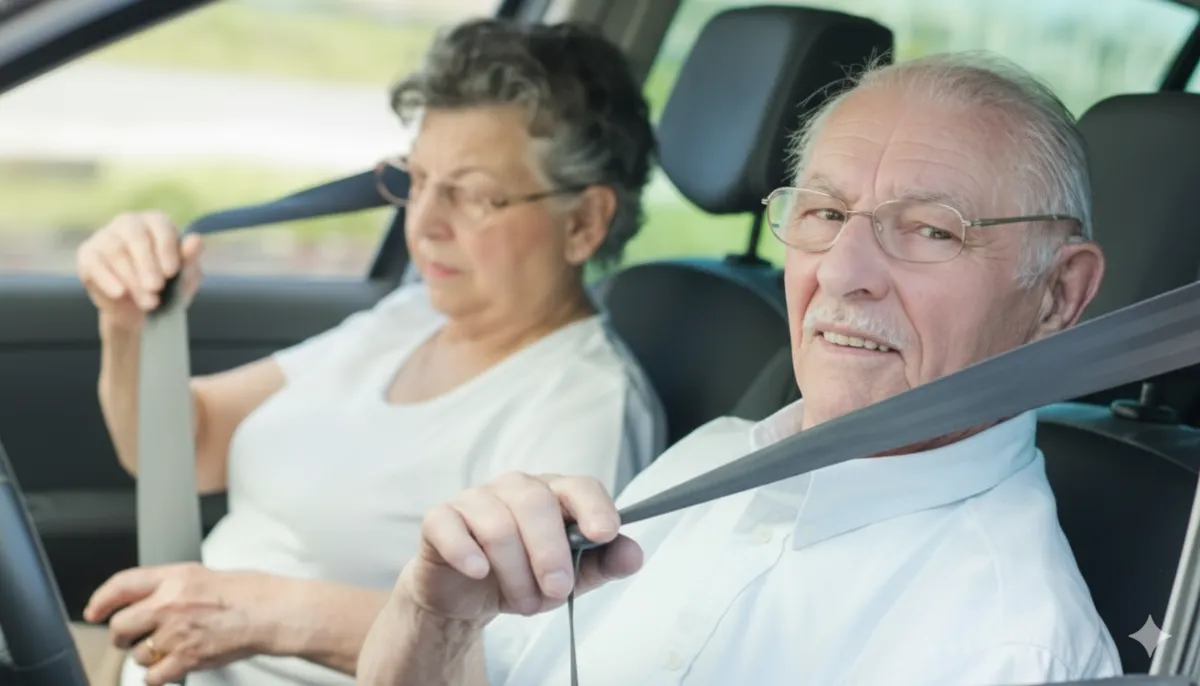
Help the elderly to adopt an independent lifestyle for as long as they are fit to drive by extending to them the courtesy they deserve on the highway
You must extend to all these other occupants of the road the same courtesy that you would like for yourself.
The Roadway is Shared by All Drivers
Not All Are Easily Seen
Look out for children and motorcyclists
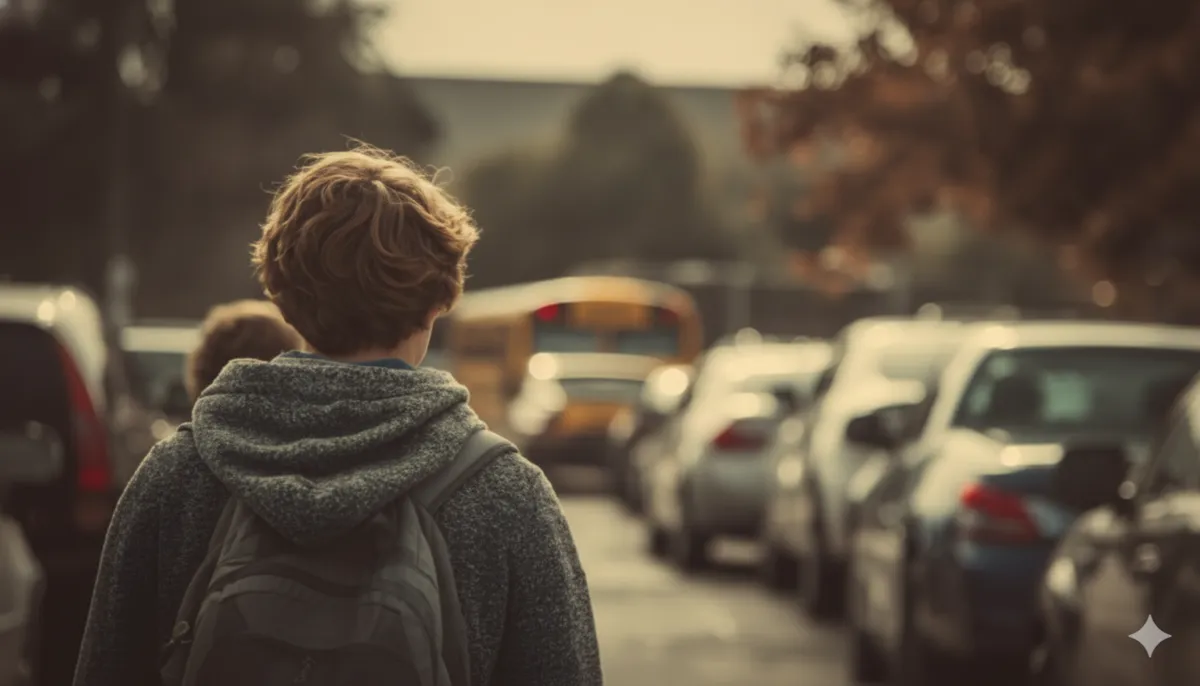
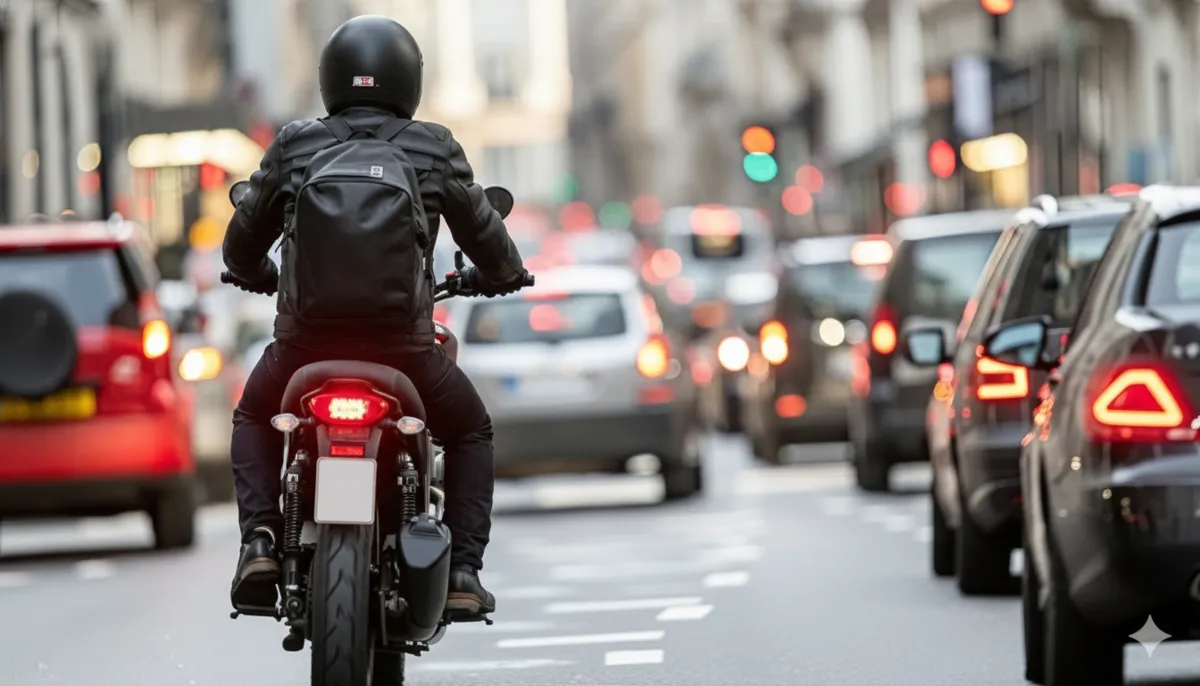
In sharing the roadways with others, we must always remember that not all vehicles or objects, such as pedestrians, cyclists or motorcyclists.
Motorcyclists especially are not only small but also fast, and small children are not also easily seen but can be very unpredictable.
View a Video on "Defensive Driving Tips" (Courtesy of Manitoba Insurance)
Nor are You Easily Seen by All Vehicles!!
Always make sure you can be seen
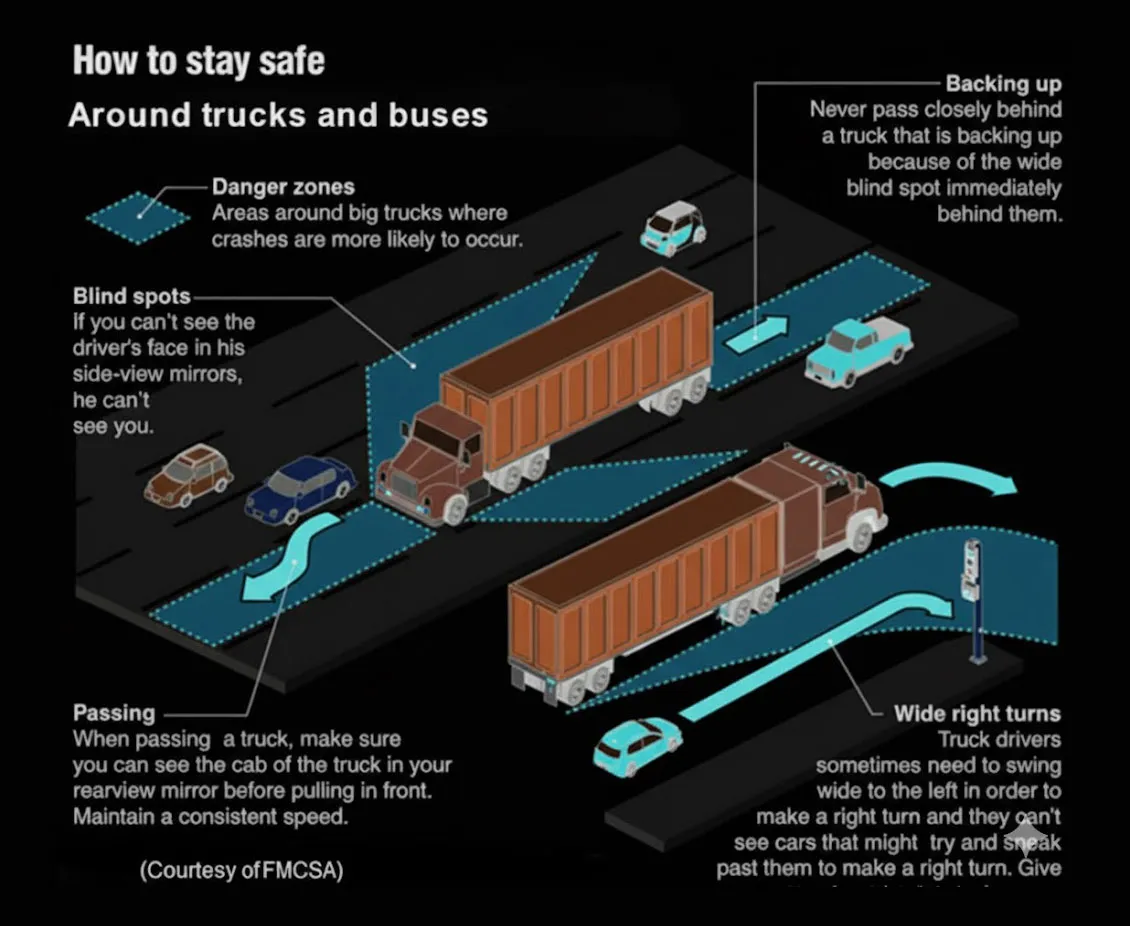
Remember, truckers have huge areas of blind spots known as the “NO ZONE” where you cannot be seen if you stay too long in those areas.
Therefore keep in mind “blind spots” - yours and other motorists.
Not All Vehicles are also as Easily Controlled as Yours Either
Look out for larger vehicles, they post you certain risks
Not all vehicles have the same stopping power.
Large trucks take longer to stop than a car traveling at the same speed.
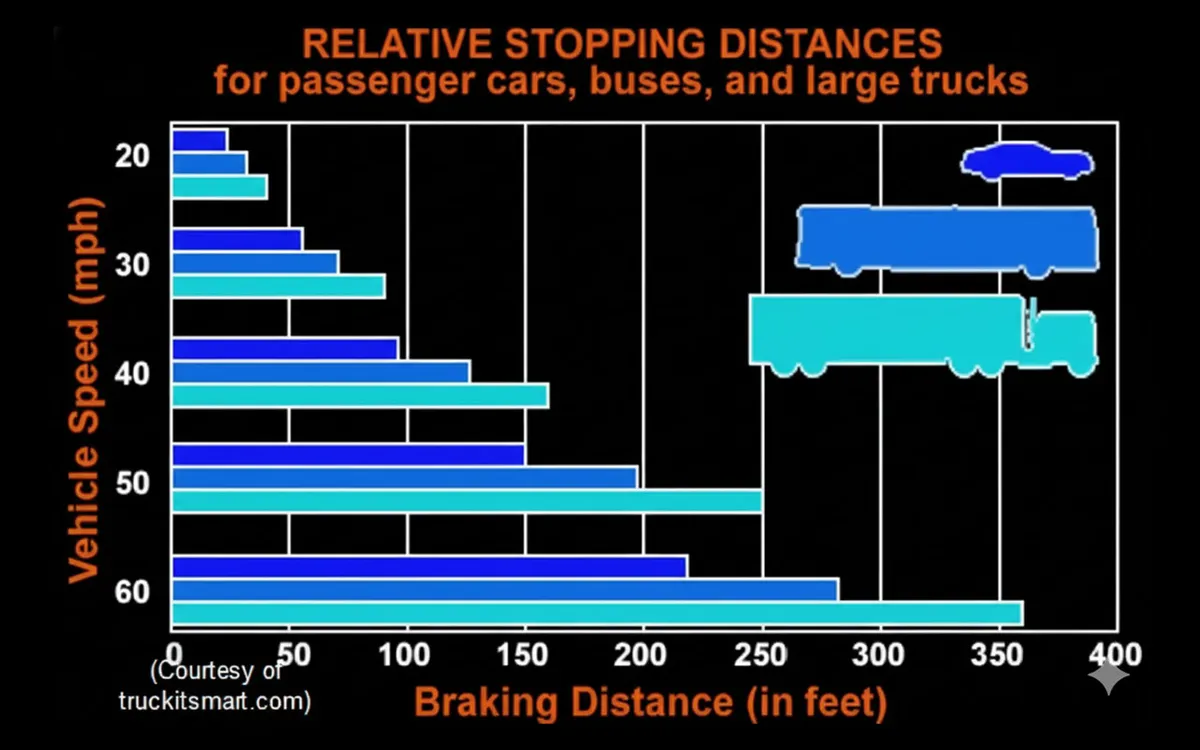
You should maintain a safe enough distance from the vehicle in front of yours and keep a “cushion” of safety zone around your vehicle.
Courtesy Makes Order Out of Chaos
Be Courteous
The rule is always be courteous to all those who share the highway with you
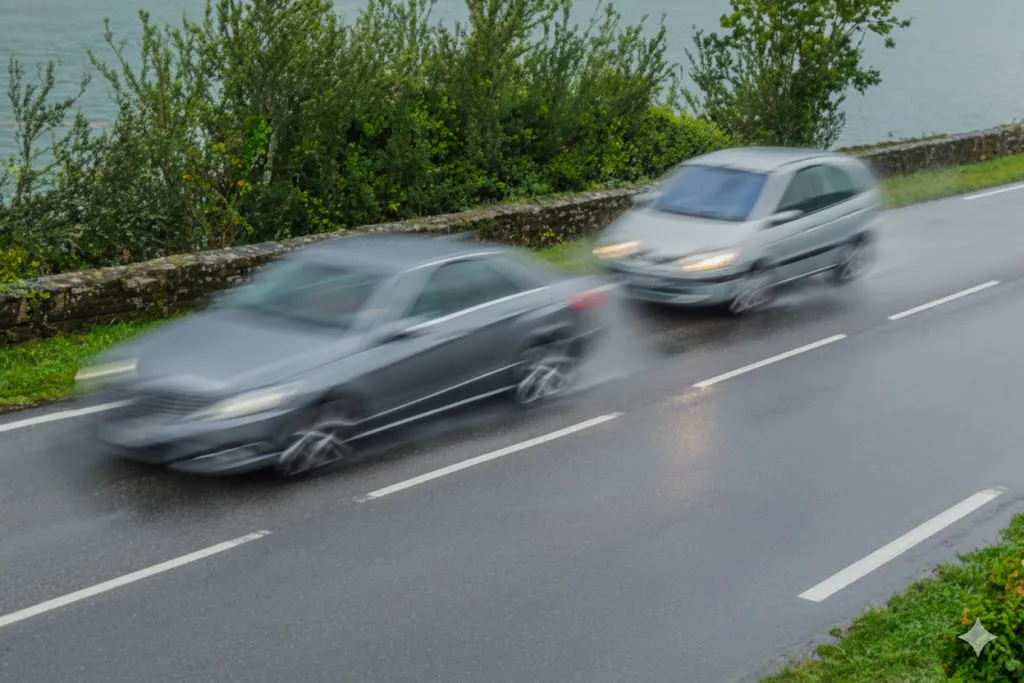
In obeying traffic rules and being courteous to those who share the road with you, you make driving so much more pleasant, safer and stress free. Don't tailgate another vehicle as it may cause the driver in front to retaliate or be totally stressed out.
View a Video on "How Best to Deal With Tailgating"(Courtesy of Manitoba Insurance)
Stress and Anger Contribute Largely to Traffic Accidents!!
Be cool in all situations
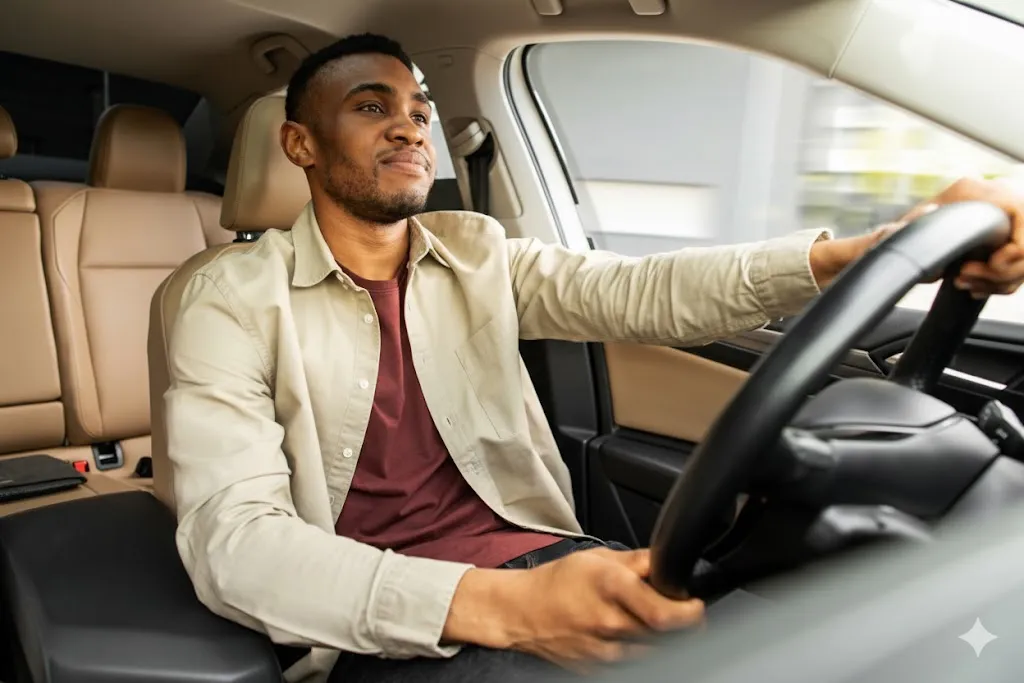
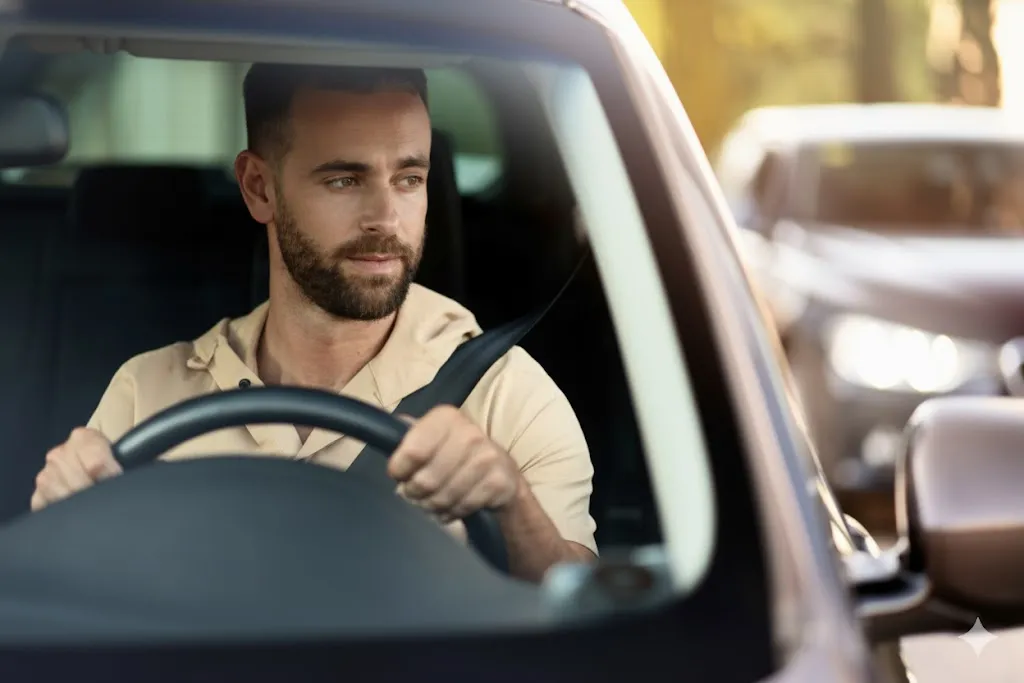
Let others have the right-of-way if necessary. If he or she is tailgating you, move over to the next lane. If he or she honks at you or makes angry signs, do not make eye contact. Just move safely away. Do not speed unnecessarily.
Be calm and collected is cool.
You Will Not Save Time!
Analysis has shown that weaving and speeding does not actually get you much faster to a destination
Remember, the difference in time of arrival would not make much of a difference in most cases, so do not cut in and out of lanes dangerously.
Courtesy Makes Order Out Of Chaos!!!
Courtesy puts you and others in a better frame of mind
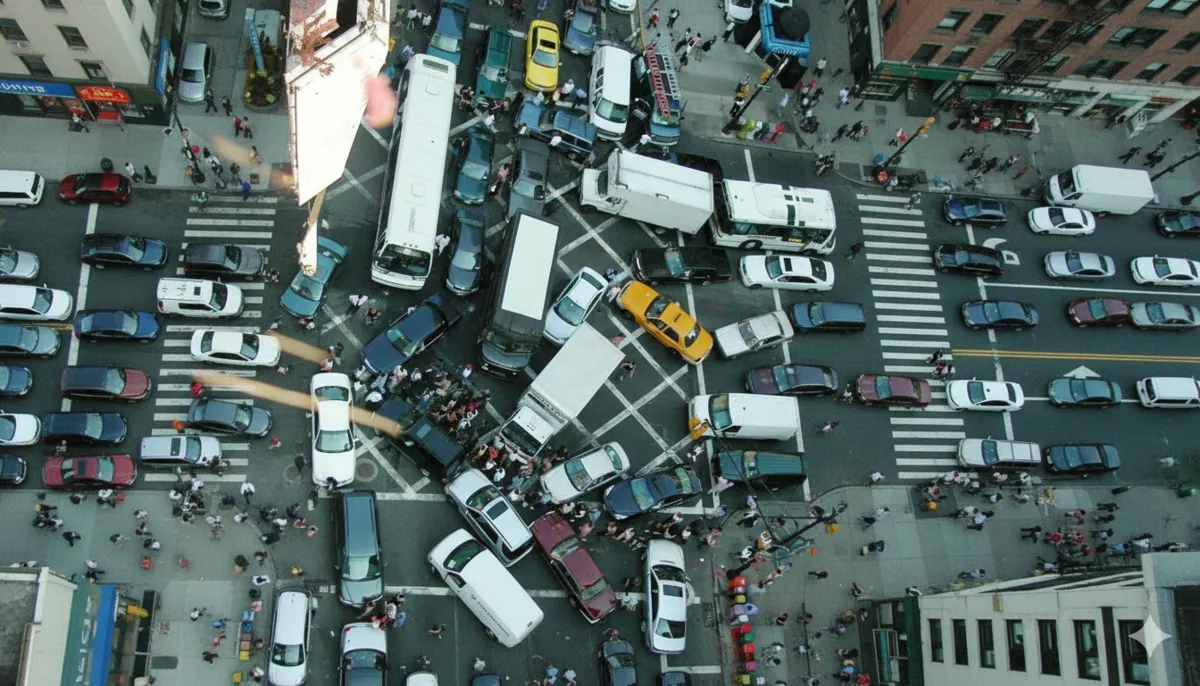
In heavy traffic conditions, with bumper-to-bumper crawl, and impatient motorists weaving in and out of lanes, often your nerves are frayed, and your patience tested. In such a scenario, a prudent manner in handling the chaotic situation, with common courtesy being extended to others, will make you feel good, put you in a less stressed frame of mind and make your journey more enjoyable and safe. As they say, “courtesy makes order out of chaos”.
Treat Other Drivers the Way You Wanted to be Treated
The Traffic Laws and Rules of the Road Cannot Address All Possible Driving Situations!
Remember to be courteous and to try your best to keep the traffic moving in a smooth fashion.
The golden rule of driving is to treat other drivers the way you want to be treated. You should obey traffic laws, drive responsibly and avoid taking unnecessary risks, as you would expect others to do.
Put yourself in Another Motorist’s Shoes!
When you do that, you will realize that, like you, every driver appreciates a break now and again. Remember how pleased you were when on occasions you signal to change lane, the driver in the next lane slows down to allow you to do so safely. Likewise, another motorist would appreciate you making room for him, especially in a stressful situation.
Review "Cooperative Driving - Importance of Being Courteous" Let's look at a video (Courtesy of California DMV).
Safe Driving is All About Being Supportive and in Control
Staying in control and calm is cool
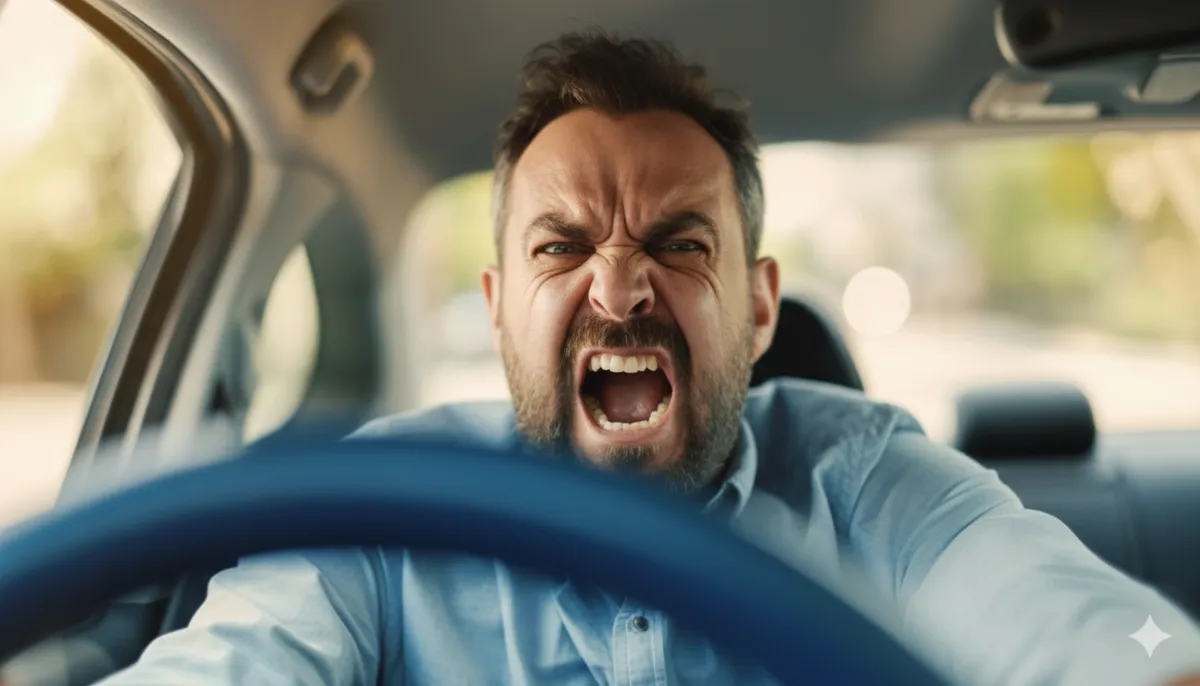
You control your emotions so that you stay calm in all circumstances in order to be a responsible driver who is always courteous and supportive to all users of the roadway.
In this sense, you are not driving defensively just to avoid collision, but you are driving defensively to ensure the safety of all users of the road, including yourself.
Stay Healthy to Drive Safely!
Be in control of your health is a priority
Being in control of yourself means also making sure you are healthy enough to drive safely. If you feel your health is affecting your driving, take steps to remedy the ailment and stay off driving until you are well enough to drive safely.
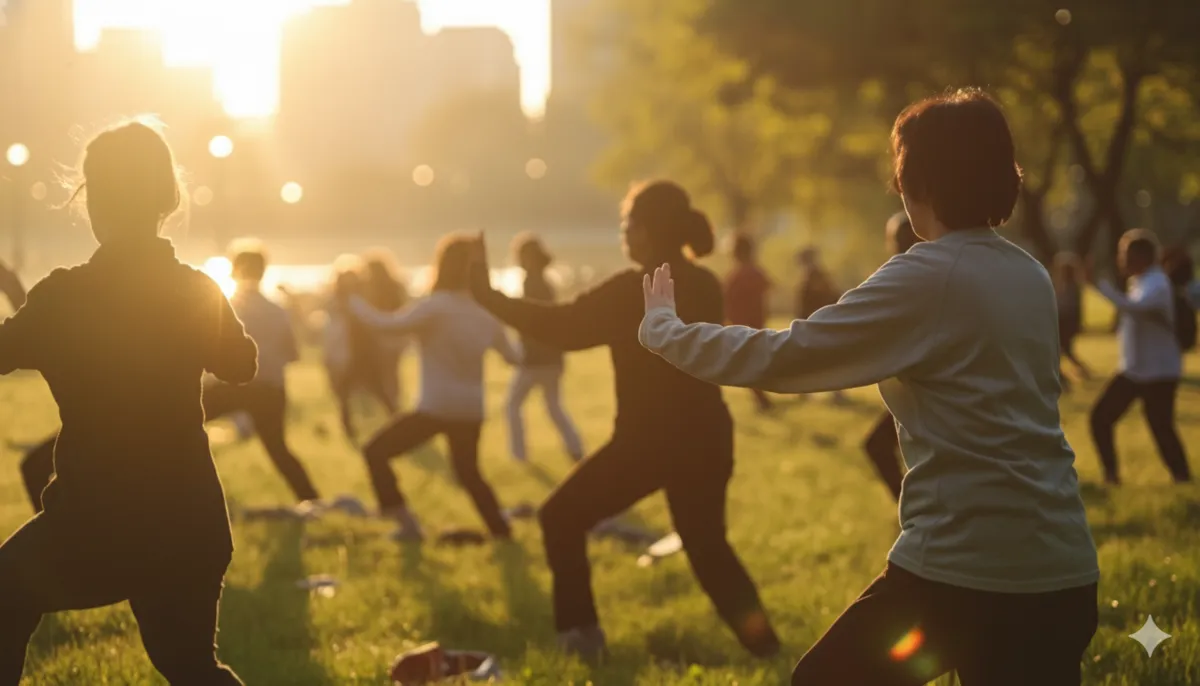
Compensating for physical disorders
- Have regular medical checkups.
- Take medication in prescribed amounts and at specified intervals
- Keep medication readily available
- Avoid driving after surgery until medically cleared
- Avoid driving in stressful traffic situations
- Avoid prolonged hours of driving
- Do not drive when not feeling well
- Limit driving to familiar areas
- Install specialized vehicle equipment to aid mobility
- Have a passenger accompany to help navigate
Have Your Vision Checked Every Year!
Remember driving is 90% visual
Remember, your driving can be impaired by problems with vision, hearing or medical conditions, and you should have your vision checked every year.
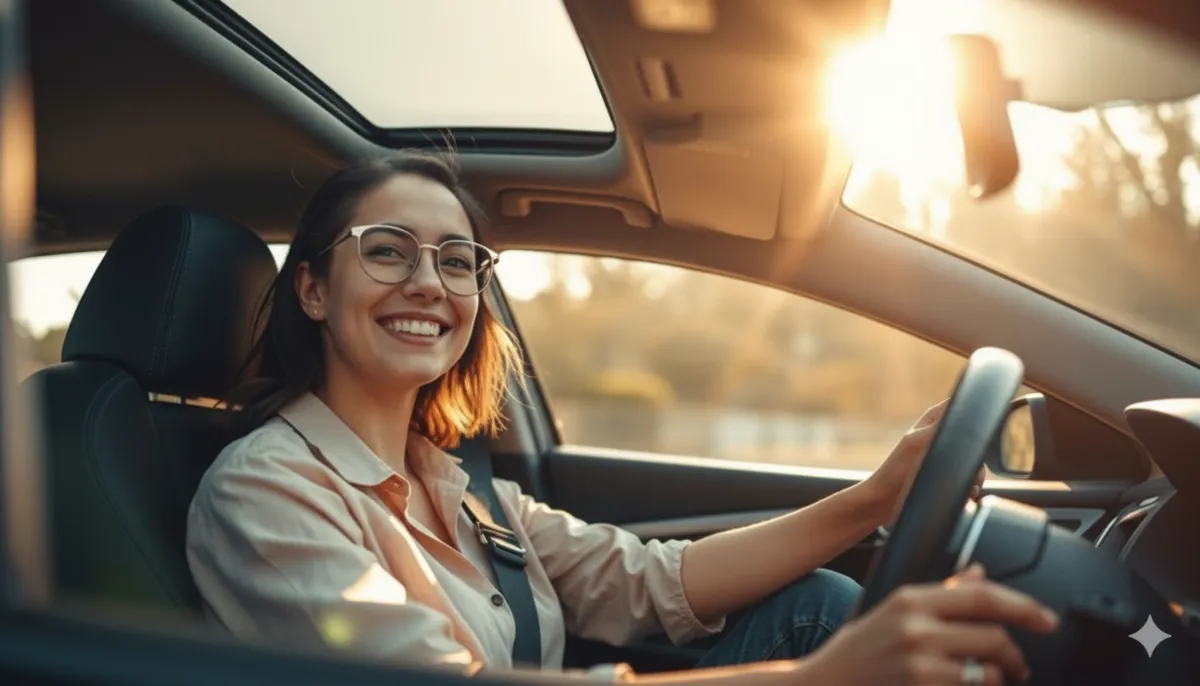
Diseases, or aging, can impair your peripheral (side) vision, your distance judgment, and your ability to see in low light conditions. You will not always be aware of these impairments; therefore, it is important for your vision to be examined regularly and that you wear any necessary glasses or contacts every time you drive.
Ability To Hear Well To Drive Safely!
Hearing is important to warn you of dangers you might not see.
For example, a car in your blind spot, an approaching emergency vehicle or a train at a railroad crossing.
Other Medical Conditions Can Affect Safe Driving!
Talk to your doctor if you suffer from any driving delimiting disease for help to drive safely
Several diseases and medical conditions, even small problems like a stiff neck or sore knee, can seriously impair your ability to control your vehicle effectively. Seizure disorders that cause loss of consciousness, diabetes and heart conditions also result in serious accidents.
Do not drive if you are suffering from such conditions. Talk to your doctor for advice and guidance if you suffer from such serious illnesses.
Be In Total Control!
Be in total control of your attitude and goals to drive safely
When you are in total control of yourself, you are able to have a better control of both your mental and physical faculties.

This will enable you to make the right decisions and avoid being involved in an accident that could cause harm to you, your loved ones and others that share the road with you.
Review Safe Driving - "Risk Management" let's look at a video (Courtesy of California DMV)