
Lesson 1 of 4 in Unit 1.1
The common sense of driving
About 15 minutes
Driving is a Privilege with Heavy Responsibilities
A driver’s license is not a privilege, not a right. It is a legal requirement that allows a person to operate a motor vehicle.
Before we start remember that:
- All drivers should know that operating a motor vehicle is a great responsibility. If not operated properly, a car can become a very dangerous thing.
- Driving is a Privilege, Not a Right. Having a driver’s license is a privilege, not a right. This privilege carries many responsibilities.
Know your legal requirement and responsibilities in owning a driver's license in the state that you are a resident
All States require their residents to have a driver’s license to operate a motor vehicle of any kind. The State's Department of Motor Vehicle can refuse a license to anyone who does not meet the necessary standards as required by law.
If you are a minor, your parent(s) or guardian(s) are responsible for the financial consequences of your driving. If you have a driver’s license everyone expects you to be familiar with the driving laws and that you drive safely.
Operating a Motor Vehicle is a Serious Responsibility
Cars are big part of our lives
You probably have grown up being driven around as a passenger by one or both of your parents from your home to your school and to your other daily activities, be it play or work.
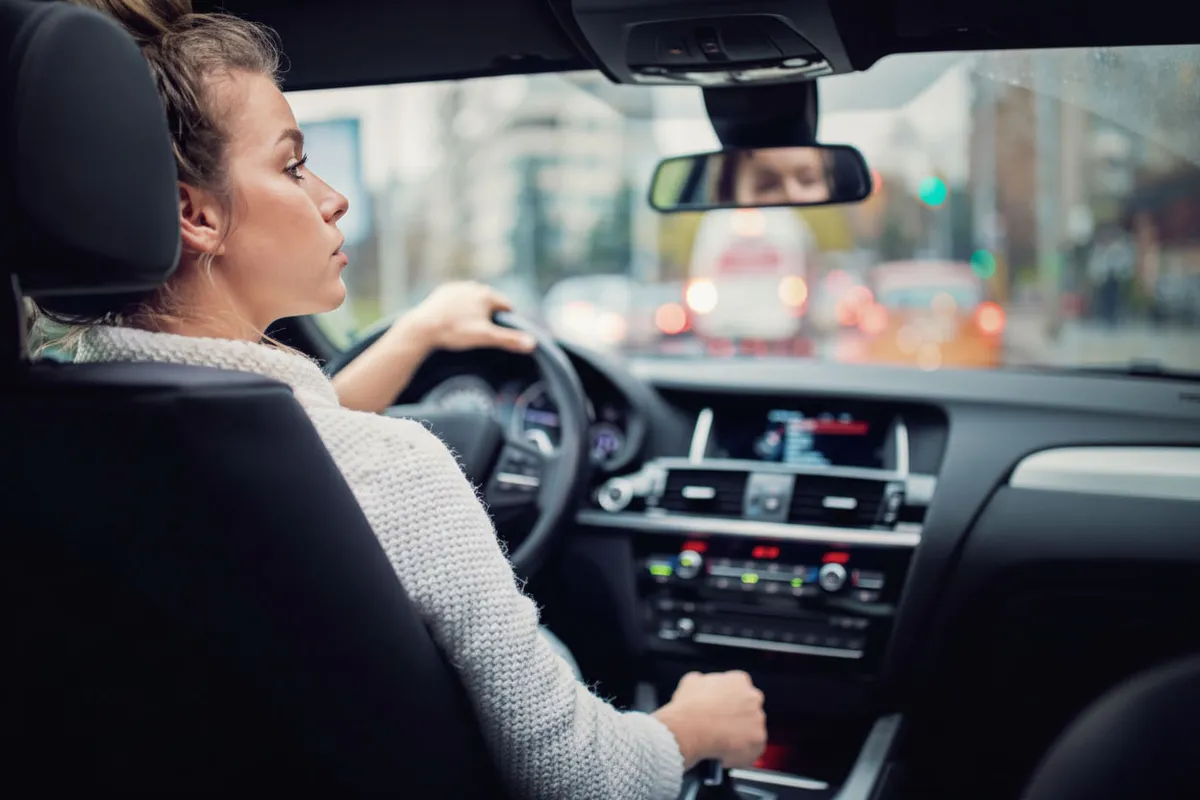
Now, you are probably driving a car nearly every day of your life. You jump in the car and drive off to all sorts of activities or business, many times in a day without giving it much of a thought.
We treat our cars as parts of our life without thinking much about them except for the regular maintenance that they need to stay running. Many of us are very casual about how we handle our cars; to the extent we are often careless about its maintenance and about how responsibly we use it. In this sense a car can be a dangerous object.
A Motor Vehicle Is a Deadly Weapon
A motor vehicle’s main purpose is to transport people from one place to another.
However, under certain conditions, time, place and manner, a motor vehicle becomes a deadly weapon, and can be more lethal than a firearm.
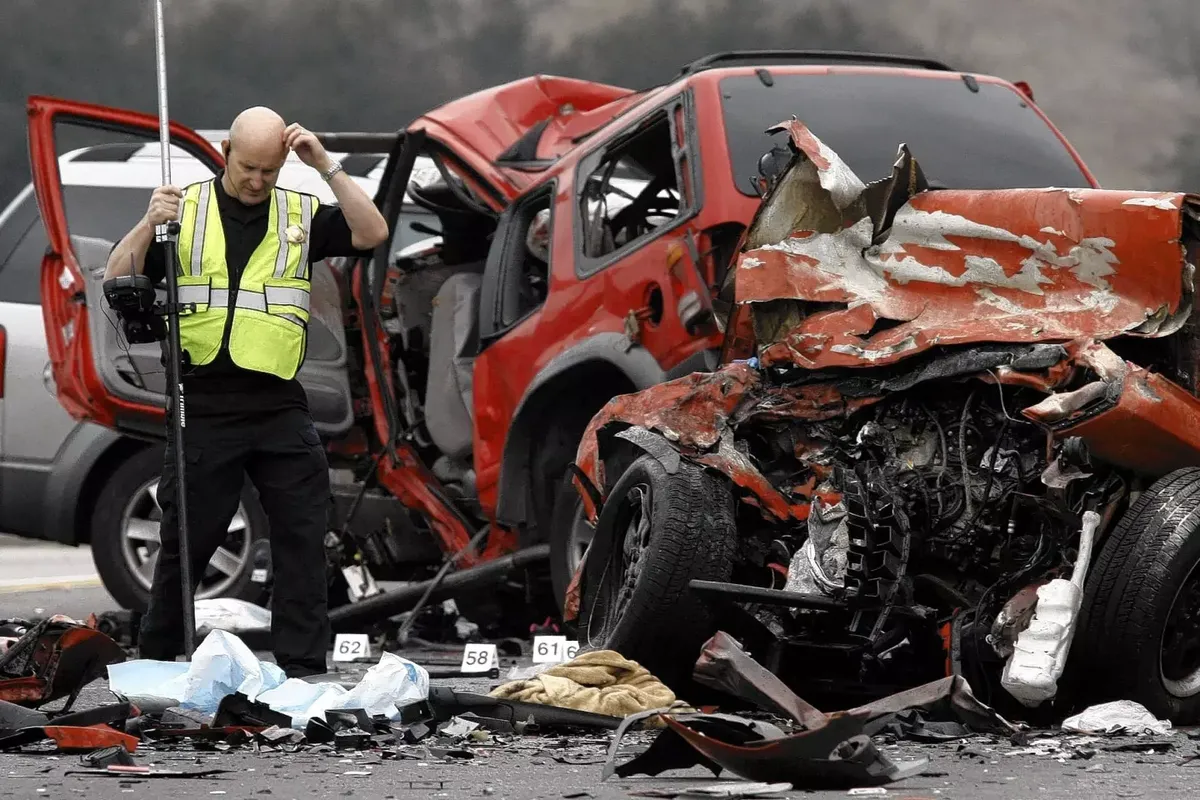
With an increasing number of cars on the roads each year, you see an increase in car accidents. Thousands of people die annually because of car accidents, with many more receiving serious injuries, often leaving the victims and their families grief-stricken and desolate.
Teens are Twice as Likely as Adult Drivers to be Involved in Fatal Crashes!
Immaturity, inexperience and lack of adequate driving skills among teen drivers are the main factors leading to fatal crashes.

The problems identified as contributing to their high crash rates include immaturity, inexperience and lack of adequate driving skills, driving during nighttime high risk hours, risk-taking, drunk driving and poor driving judgment and decision making.
Crash statics of young drivers in 2019
- In the United States, the fatal crash rate per mile driven for 16-19 year-olds is nearly 3 times the rate for drivers ages 20 and over. Risk is highest at ages 16-17.
- Seventy-eight percent of teenage crash deaths in 2019 were passenger vehicle occupants. 61 percent of deaths among passenger vehicle occupants ages 16-19 were drivers. 57 percent of the deaths of teenage passengers in passenger vehicles occurred in vehicles driven by another teenager. Among deaths of passengers of all ages, 13 percent occurred when a teenager was driving.
- In 2019, belt use among fatally injured passenger vehicle drivers age 16 to 19 years old was higher than among fatally injured drivers ages 20-59.
- Among passenger vehicle drivers ages 16-19 involved in fatal crashes in 2019, 40 percent were involved in single-vehicle crashes. This was higher than for drivers ages 25 and older (36 percent).
- Fifty-two percent of motor vehicle crash deaths among teenagers in 2019 occurred on Friday, Saturday or Sunday.
(www.iihs.org. 2021)
Most Drivers Undertake Distractive Activities While Driving
The riskiest drivers' distraction is the use of electronic devices
Statistical Reports from NHTSA showed that most drivers were engaged in activities that take their attention away from the road, of which the riskiest is the use of electronic devices, and that the electronics use is the leading source of distraction for teen drivers.
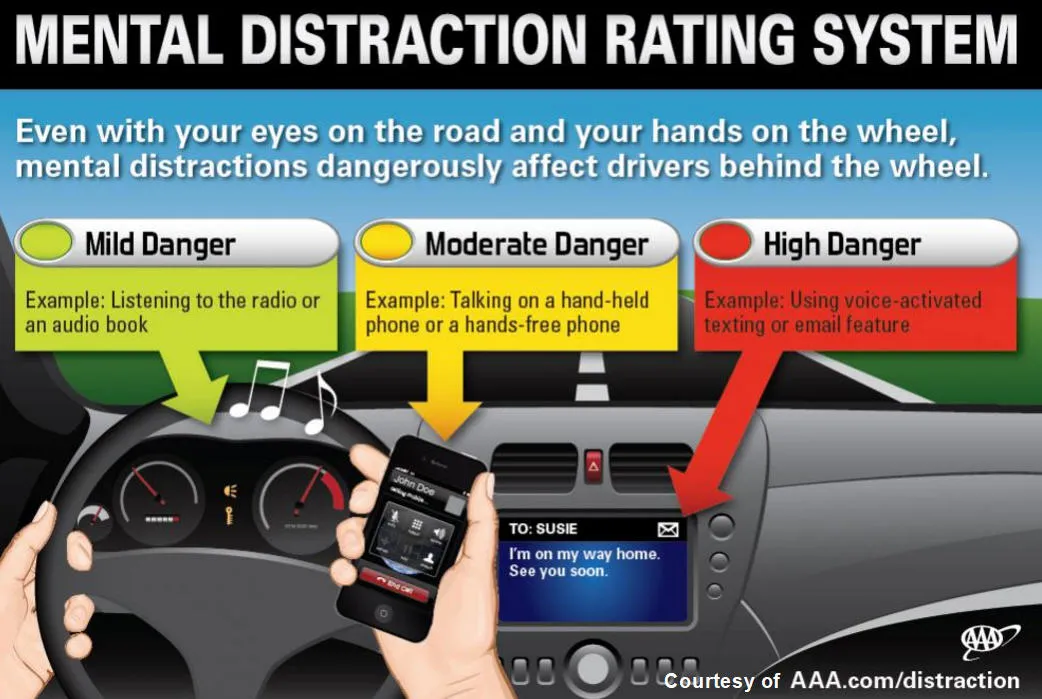
More than 220 million people in the United States subscribe to wireless services, and it is estimated that 80% of those subscribers use their phones while driving.
Nearly 303 million people in the United States have cell phones. At any given moment during the daylight hours, more than 800,000 vehicles are being driven by someone using a hand-held cell phone.
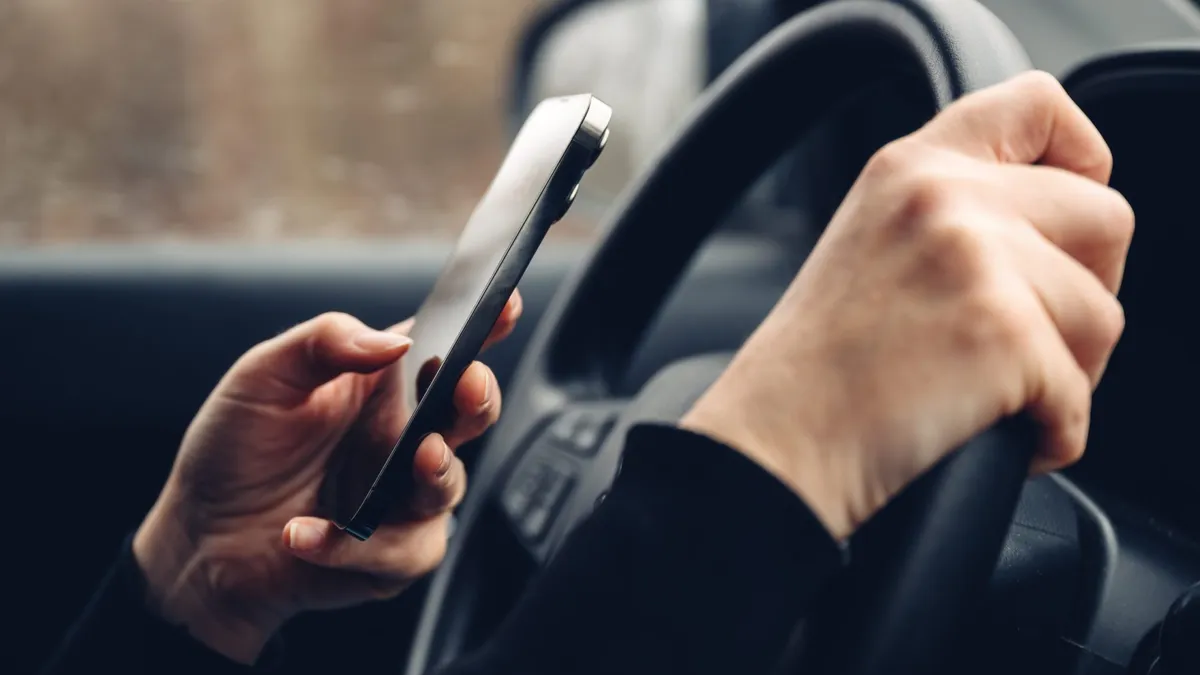
In 2018, approximately 2,841 people in this country died in crashes that involved a distracted driver, and an estimated additional 400,000 people were injured.
(www.ncsl.org.2021; NHTSA. 2021; CTIA-The Wireless Association.2021, AAA Foundation for Traffic Safety. 2021)
NHTSA calls for teens...
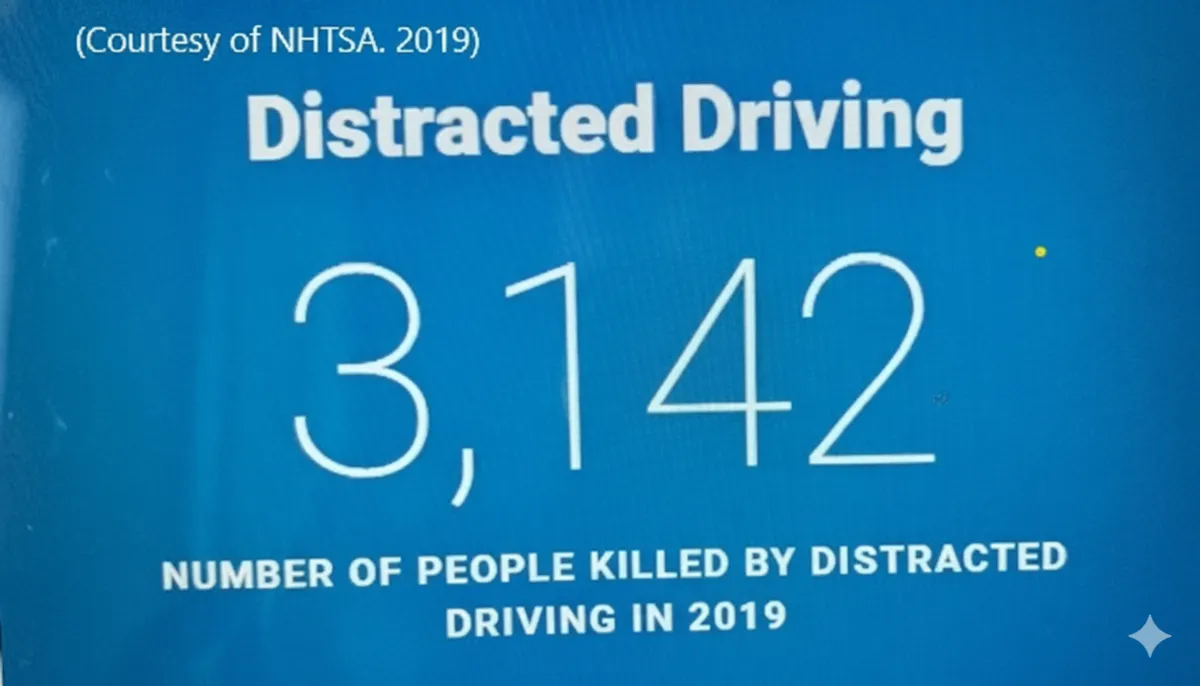
"Teens can be the best messengers with their peers, so we encourage them to speak up when they see a friend driving while distracted, to have their friends sign a pledge to never drive distracted, to become involved in their local Students Against Destructive Decisions chapter, and to share messages on social media that remind their friends, family, and neighbors not to make the deadly choice to drive distracted."
The law
Your state legislature and governor make the laws regarding distracted driving. Many states now have laws against texting, talking on a cell phone, and other distractions while driving. You can visit the Governors Highway Safety Association to learn about the laws in your state.
(NHTSA. 2021)
Lets take a look at a Video on "Distractive Driving and its Consequences" by NHTSA (Courtesy of NHTSA. 2021)
Number of Deaths Due To Drunk Driving in 2019
These deaths are preventable
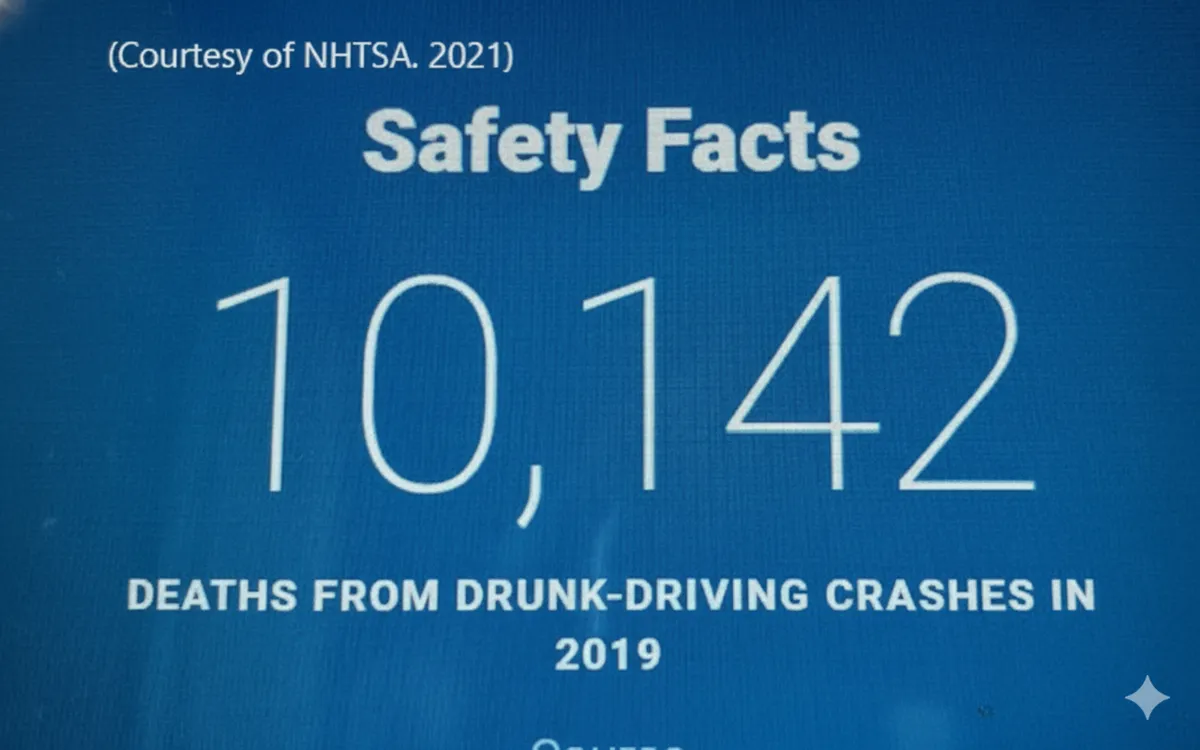
Every day, about 28 people in the United States die in drunk-driving crashes — that's one person every 52 minutes. These deaths were all preventable.
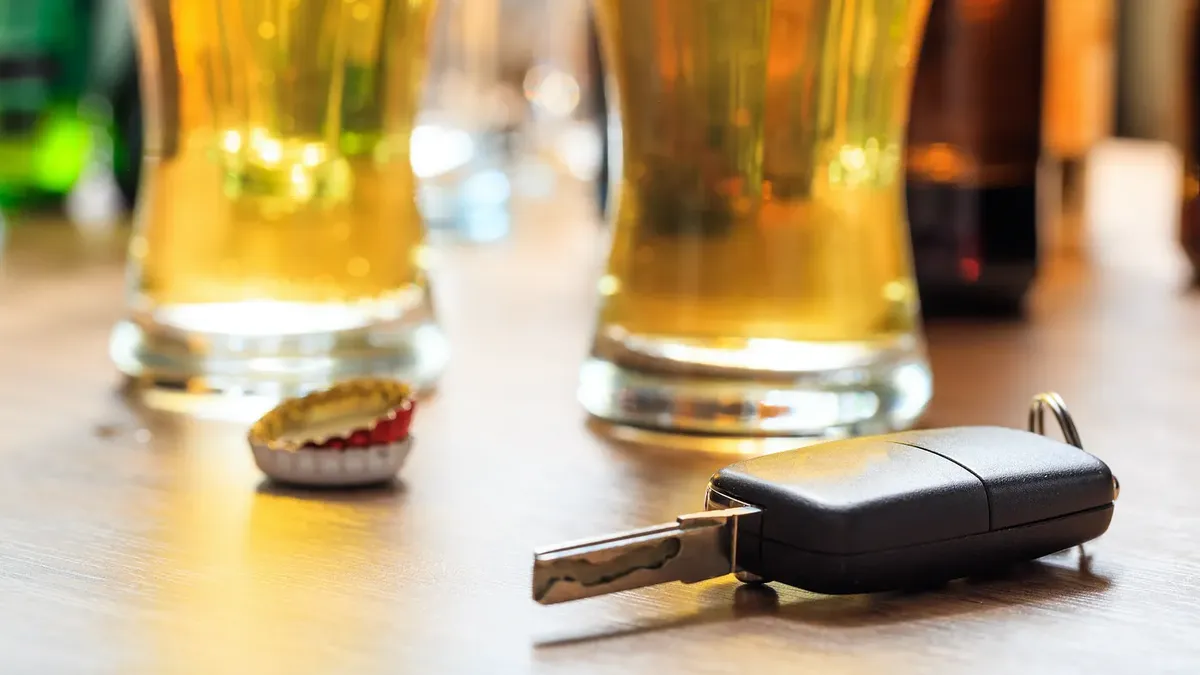
NHTSA reports that even a small amount of alcohol can impair your driving habilities
Alcohol is a substance that reduces the function of the brain, impairing thinking, reasoning and muscle coordination.
All these abilities are essential to operating a vehicle safely. even a small amount of alcohol can affect driving ability. In 2019, there were 1,775 people killed in alcohol-related crashes where a driver had a BAC of .01 to .07 g/dL" (NHTSA.2021).
Driving after drinking
Drinking and driving is deadly. Driving while impaired can get you arrested, or worse — crashing into somebody and causing serious injury or death.
An average of one-third of all traffic crash fatalities in the United States involve alcohol impaired drivers (with BAC of .08 g/dL or higher). In 2019 itself 10,142 people were killed in these preventable crashes. More than 10,000 people, on average over the 10-year period from 2010-2019, died every year in drunk-driving crashes.
Be aware that in every state, driving impaired with alcohol or other drugs is illegal. Sadly, yet one person was killed in a drunk-driving crash every 52 minutes in the United States in 2019.
Consequences - The laws are tough on drunk driving
Charges range from misdemeanors to felony offenses, and penalties for impaired driving can include driver’s license revocation, fines, and jail time. Remember that conviction remains in your driver's record for a lift time. Being charged for DUI is extremely expensive. A first-time offense can cost the driver upwards of $10,000 in fines, alcohol rehabilitation and legal fees.
Many states require violators to install ignition interlock devices at the driver’s expense. The device is a breath test device connected to a vehicle’s ignition. The vehicle cannot be operated unless the driver blows into the interlock and has a BAC below a pre-set low limit, usually .02 g/dL. Remember it will be installed in all the vehicles you own.
(NHTSA. 2021)